-
Quick Tips for Sparkling Shower Glass Doors

“House Home” by Joshua Ness/ CC0 1.0 Homebuying Checklist ✔️

Cleaning your shower glass doors can either feel like a frustrating, time-consuming chore or a quick and satisfying process. Over time, I’ve found that giving my shower doors daily attention makes cleaning day much easier. With the right tools and techniques, you can keep your glass doors looking spotless without the struggle.
What You’ll Need:
- Windex Vinegar Glass Cleaner** (or any vinegar-based glass cleaner)
- Oxi Clean + Bleach Mold and Mildew Spray
- Handheld or Electric cleaning brush
- Paper towels
- Scrub Daddy Power Paste
- Foaming glass cleaner
**Safety Reminder:** Always follow the instructions on cleaning products and take necessary precautions (e.g., wearing gloves, using ventilation fans). The information provided here is for general guidance and should not be considered professional cleaning advice.
**Step 1: Cleaning the Shower Door Frame**
Since the frame can get quite grimy, I like to tackle this first. Cleaning it first ensures the glass stays spotless throughout the process.
**How to clean the frame:**
1. Spray the affected areas with **Oxi Clean + Bleach Mold and Mildew Spray**.
2. Let it sit for a couple of minutes.
3. Scrub with a **handheld or electric cleaning brush** to remove buildup.
4. Rinse with water and wipe dry with **paper towels**.
**Step 2: Cleaning the Glass Doors**
Once the frame is taken care of, it’s time to make the glass shine!
1. Spray the glass doors with **Windex Vinegar Glass Cleaner**.
2. Wipe with **paper towels** for a quick clean.
3. Inspect the glass for any remaining soap scum or buildup.
4. If needed, apply **Scrub Daddy Power Paste** to stubborn spots and gently scrub with a **Scrub Daddy sponge**.
5. Rinse with water and do a wipe with **Windex Vinegar Glass Cleaner and afterwards, the **foaming glass cleaner**.
**Tips for Easier Cleaning Days**
**Use a squeegee daily:** Running a **squeegee** over your shower doors after each use helps prevent soap scum buildup.
**Consider Rain-X for protection:** Many people apply **Rain-X** to their glass doors to repel water and reduce residue. I haven’t tried it yet, but it’s on my to-do list!
For a video of this process, please see it here:
**Join the Conversation! **
I hope you find these tips helpful! Have your own tried-and-true shower-cleaning methods? **Drop a comment below—I’d love to learn from you and build a community of people helping each other. **
Thanks for reading, and please don’t forget to check us out on social media!
Please check us out on social media here:
https://youtube.com/@leadmetomyhome-ny7dq?si=gU87Xiheh4A_dNNH
Financially, Are You Ready to Buy
One of the first steps to moving forward with the home buying Process is to determine if you are financially ready to buy and maintain your property. Many of us, self included, picture what we are paying in rent and imagine that we can pay about that much in our mortgage payments. Therefore, we are ready. Unfortunately, it is not that simple.
When determining if we are ready to buy a home, we must factor in things like:
- Maintenance and repairs
- Lawn upkeep
- New furniture
- HOA fees
- Emergencies of all kinds
In addition to these items, you want to make sure that you can continue to save, invest and/or payoff debt. Buying a home should not financially cripple you. If it potentially does, you may want to reconsider purchasing a home at this time.
How do you know when your ready?
In order to determine if you are ready to purchase your palace, you should have the following items in place.
- A tried and true budget
- A comfortable savings account
- Reliable stream of income (i.e. 2 years of consistent employment)
- An additional stream of income
- Retirement and investment accounts established
These are just some of the basics to consider prior to determining whether or not you are financially prepared to buy a home.
How’s Your Credit Score?
After assessing your finances and determining that you can afford the overall expenses that come with purchasing a home, you will most certainly want to obtain your credit score. In addition to your credit score, you will want to have a good understanding of what’s included on your credit report.
As you may know, credit scores can range from 300 – 850. Generally speaking, the higher your credit score, the better your chances are for capturing the best interest rate. Prior to applying for a home you would want to get your score to its highest rate possible. According to experian.com, the minimum score to purchase a home can range from 500 – 700.
While preparing to buy a home, do what you can to increase your score. Some of the things you can do are as follows:
- Pay down credit cards to get a utilization of 30% or below.
- Continue to pay all bills on time.
- Keep your oldest accounts open.
While you consistently work to improve your credit score, we highly advise you use apps like credit karma or other credit tracking systems to see how your credit is improving. Additionally, you will want to pull your credit report from each of the three credit bureaus to ensure all reported information is correct. The three credit bureaus are:
- Experian
- Equifax
- Transunion
After reviewing your credit report for accuracies, you want to make sure to dispute any erroneous information. Each credit bureau has instructions on how inaccurate information is to be disputed.
Lastly, as you are going through the home buying process and awaiting closure of your home loan, you must make sure not open nor run your credit for any new accounts! No new accounts should be open until you sign for the home and you’re officially moved in!
Decide on the type of mortgage loan that works best for you.
There are primarily four different mortgage types. They are FHA, Conventional, VA loans and USDA loans. Each of them has their pros and cons. Depending on your situation when buying a home, one will be more suitable for you than the other. It is always in your best interest to research as much as possible prior to making your home purchase. Remember, an educated buyer is the best buyer!
Let’s start off with the definitions of each mortgage type.
- Federal Housing Administration (FHA)
- Conventional
- VA Loan
- USDA Loan
An FHA loan is a federally insured loan that is a part of HUD. This loan type offers many benefits to the lender and allows the lenders to provide advantages such as lower down payment, closing costs and credit scores.
While an FHA loan has its advantages, there are also some disadvantages. Some of those disadvantages include sellers willing to exclude FHA loans from consideration, mortgage insurance requirements and stringent appraisal requirements.
A Conventional loan is any loan that is not guaranteed by or insured by the government as the Consumer Financial Protection Bureau (CFPB) explains. It is a great option because many sellers prefer this loan and it has less stipulations once you’re approved by the bank.
Some of disadvantages for a conventional loan include having to have a stronger credit score and a larger down payment.
A Department of Veterans Affairs (VA) loan is a mortgage loan that is offered to servicemembers, veteran’s and eligible surviving spouses. This loan is partially guaranteed or insured by the VA and offered through various banks.
According to benefits.va.gov, the VA loan does not have a down payment requirement although the lender may choose to require one. Additionally, Private Mortgage Insurance (PMI), is not needed and these loan types come with limited closing costs.
The U.S. Department of Agriculture (USDA) Loan is a loan offered to individuals or families wishing to buy or build their home in rural areas. This loan type offers 33-year terms and individuals may qualify with exceptionally low income. For details more details on the USDA Loan, I encourage you to check out rd.usda.gov.
Note: Always remember to check on Grant programs for credits offered towards either the down-payment or closing costs.
-
Do I Need Title Insurance?

“House Home” by Joshua Ness/ CC0 1.0 Homebuying Checklist ✔️

What is Title Insurance?
Title insurance protects the real estate purchaser from fraud, forgery of paperwork, liens, unpaid taxes, or any other issues against the title after the real estate transaction. There are two types of title insurance:
1. Lender’s Title Insurance: Protects the lender and is paid at closing.
2. Buyer’s Title Insurance: Optional and protects the buyer from title defects.
In this article, we will focus on buyers/owners title insurance.
Note: Title insurance is different from title lock insurance, which is a service that monitors your title and informs you once your title has been compromised. It’s important to distinguish between the two if you’re in the market for title insurance.
Who Needs Title Insurance?
Having title insurance provides a layer of protection in case of issues with your title in the future. For example, a homeowner in Louisiana had her identity stolen, and her land was sold to unsuspecting investors. Months later, she is still trying to clear her title. If the property owner had title insurance, she would have had the financial protection needed to combat this issue.
For more on this story, check it out here: https://nypost.com/2025/02/17/real-estate/woman-reveals-how-property-was-stolen-in-identity-theft-real-estate-scam
Real estate investors should also consider title insurance to ensure the title is free of defects, especially when purchasing foreclosed properties. Although title searches are part of the closing process, they are not infallible.
According to Investopedia, owner’s/buyer’s title insurance can cost anywhere from $500 to $3,500, depending on your state and the value of your property. This cost may be well worth it, especially if you are one of the 9,521 people who were victims of real estate fraud in 2023, according to the FBI Internet Crime Report.
Out of approximately 84 million homeowners, 9,521 may not seem like a large number, but given the severity of the situations and the costs for any individual victimized by this sort of fraud, you may want to consider getting title insurance protection for yourself.
Where to Buy Title Insurance?
Major title insurance companies include:
- Fidelity
- American Title
- Old Republic
- First American
- Stewart Title
You can also purchase title insurance from real estate attorneys, title companies, or local title insurance companies.
How to Get the Best Title Insurance Rates?
Much like any other purchase, shop around for the best rates. Additionally, ask for any qualifying discounts and check reviews.
In Closing
Use free services to monitor your identity and your deed. You can check the status of your title anytime with your state’s land records office. Some land records offices even have alerts you can request in the event of an ownership change. Furthermore, the Federal Housing Finance Agency (FHFA) has programs to protect homeowners against title fraud.
Monitor your credit report regularly to catch any changes or errors. Also, consistently monitor your bills for any changes, including receiving new bills claiming to be a second mortgage against your home.
If someone has stolen your title and committed fraud, they may also have stolen your identity. If you suspect or have become a victim of identity theft, first file a police report. Another step is to visit https://www.identitytheft.gov. This government resource will guide you through recovery steps and provide you with sample letters.
Fraud and theft aren’t going away anytime soon, and we must remain educated and vigilant to protect ourselves and others. Although we may never experience this type of fraud based on today’s statistics, it’s better to be safe than sorry.
I hope these suggestions help enhance your article! If you have any questions or need further assistance, feel free to ask.
Please check us out on social media here:
https://www.facebook.com/share/r/1DBed4zzU1
https://www.facebook.com/leadmetomyhome/
Or email at leadmetomyhome@gmail.com
Financially, Are You Ready to Buy
One of the first steps to moving forward with the home buying Process is to determine if you are financially ready to buy and maintain your property. Many of us, self included, picture what we are paying in rent and imagine that we can pay about that much in our mortgage payments. Therefore, we are ready. Unfortunately, it is not that simple.
When determining if we are ready to buy a home, we must factor in things like:
- Maintenance and repairs
- Lawn upkeep
- New furniture
- HOA fees
- Emergencies of all kinds
In addition to these items, you want to make sure that you can continue to save, invest and/or payoff debt. Buying a home should not financially cripple you. If it potentially does, you may want to reconsider purchasing a home at this time.
How do you know when your ready?
In order to determine if you are ready to purchase your palace, you should have the following items in place.
- A tried and true budget
- A comfortable savings account
- Reliable stream of income (i.e. 2 years of consistent employment)
- An additional stream of income
- Retirement and investment accounts established
These are just some of the basics to consider prior to determining whether or not you are financially prepared to buy a home.
How’s Your Credit Score?
After assessing your finances and determining that you can afford the overall expenses that come with purchasing a home, you will most certainly want to obtain your credit score. In addition to your credit score, you will want to have a good understanding of what’s included on your credit report.
As you may know, credit scores can range from 300 – 850. Generally speaking, the higher your credit score, the better your chances are for capturing the best interest rate. Prior to applying for a home you would want to get your score to its highest rate possible. According to experian.com, the minimum score to purchase a home can range from 500 – 700.
While preparing to buy a home, do what you can to increase your score. Some of the things you can do are as follows:
- Pay down credit cards to get a utilization of 30% or below.
- Continue to pay all bills on time.
- Keep your oldest accounts open.
While you consistently work to improve your credit score, we highly advise you use apps like credit karma or other credit tracking systems to see how your credit is improving. Additionally, you will want to pull your credit report from each of the three credit bureaus to ensure all reported information is correct. The three credit bureaus are:
- Experian
- Equifax
- Transunion
After reviewing your credit report for accuracies, you want to make sure to dispute any erroneous information. Each credit bureau has instructions on how inaccurate information is to be disputed.
Lastly, as you are going through the home buying process and awaiting closure of your home loan, you must make sure not open nor run your credit for any new accounts! No new accounts should be open until you sign for the home and you’re officially moved in!
Decide on the type of mortgage loan that works best for you.
There are primarily four different mortgage types. They are FHA, Conventional, VA loans and USDA loans. Each of them has their pros and cons. Depending on your situation when buying a home, one will be more suitable for you than the other. It is always in your best interest to research as much as possible prior to making your home purchase. Remember, an educated buyer is the best buyer!
Let’s start off with the definitions of each mortgage type.
- Federal Housing Administration (FHA)
- Conventional
- VA Loan
- USDA Loan
An FHA loan is a federally insured loan that is a part of HUD. This loan type offers many benefits to the lender and allows the lenders to provide advantages such as lower down payment, closing costs and credit scores.
While an FHA loan has its advantages, there are also some disadvantages. Some of those disadvantages include sellers willing to exclude FHA loans from consideration, mortgage insurance requirements and stringent appraisal requirements.
A Conventional loan is any loan that is not guaranteed by or insured by the government as the Consumer Financial Protection Bureau (CFPB) explains. It is a great option because many sellers prefer this loan and it has less stipulations once you’re approved by the bank.
Some of disadvantages for a conventional loan include having to have a stronger credit score and a larger down payment.
A Department of Veterans Affairs (VA) loan is a mortgage loan that is offered to servicemembers, veteran’s and eligible surviving spouses. This loan is partially guaranteed or insured by the VA and offered through various banks.
According to benefits.va.gov, the VA loan does not have a down payment requirement although the lender may choose to require one. Additionally, Private Mortgage Insurance (PMI), is not needed and these loan types come with limited closing costs.
The U.S. Department of Agriculture (USDA) Loan is a loan offered to individuals or families wishing to buy or build their home in rural areas. This loan type offers 33-year terms and individuals may qualify with exceptionally low income. For details more details on the USDA Loan, I encourage you to check out rd.usda.gov.
Note: Always remember to check on Grant programs for credits offered towards either the down-payment or closing costs.
-
Overcome Perfectionism in Home Design

“House Home” by Joshua Ness/ CC0 1.0 Homebuying Checklist ✔️

Photo by Houzlook .com on Pexels.com Have you ever been hesitant to start designing a space? I must certainly have. A personality trait of mine is, perfectionism. I want everything to be done a certain way and perfectly first time around. Sadly, this way of thinking slows me down from getting things done.
Upon discussing my decorating dilemma with a friend, she frankly told me, “Just do it! Don’t wait for the perfect vision or piece. Just do it!” She was right! I have since started decorating my space and it is now one of my most desired pastimes!
Of course, while going through the motions of creating my unique space, I have ventured into different décor styles and used them for design inspiration. Some of the most popular décor styles include Modern, Transitional, Minimalist, Rustic and Mid-Century Modern. These are just a few of many!
Modern

Photo by Medhat Ayad on Pexels.com Modern style is one that uses clean lines, simple finishings, glass, steel, wide spaces and avoids brick and stone.
Transitional

Photo by Selenic Moon on Pexels.com Transitional décor is defined as a mixture of old and new styles that uses furniture, rugs and accent pieces to create a look.
Minimalist

Photo by Vecislavas Popa on Pexels.com Minimalist décor is another style that uses clean lines and screams, “less is more”! Every piece of furniture within a minimalist style has a purpose. This type of style typically has open spaces and uses neutral tones.
Rustic

Photo by Mark McCammon on Pexels.com Rustic décor is defined as a natural style that is simplistic and can include the farmhouse style. Oftentimes, a rustic style will include exposed wood and/or brick.
Mid-Century Modern

Photo by Alina Vilchenko on Pexels.com Mid-Century Modern style is one that became popular after World War II. This style includes furniture with natural finishes, décor with vibrant colors and indoor house plants.
Other honorable mentions are Boho, Mediterranean, Elevated Eclectic, Shabby Chic, Neo-Industrial and Farmhouse.
In addition to admiring different décor styles, watching design shows has proven to be inspirational for me! I see something beautiful on a show and through some magic means and budget, I think that I could pull it off! And occasionally, I do.
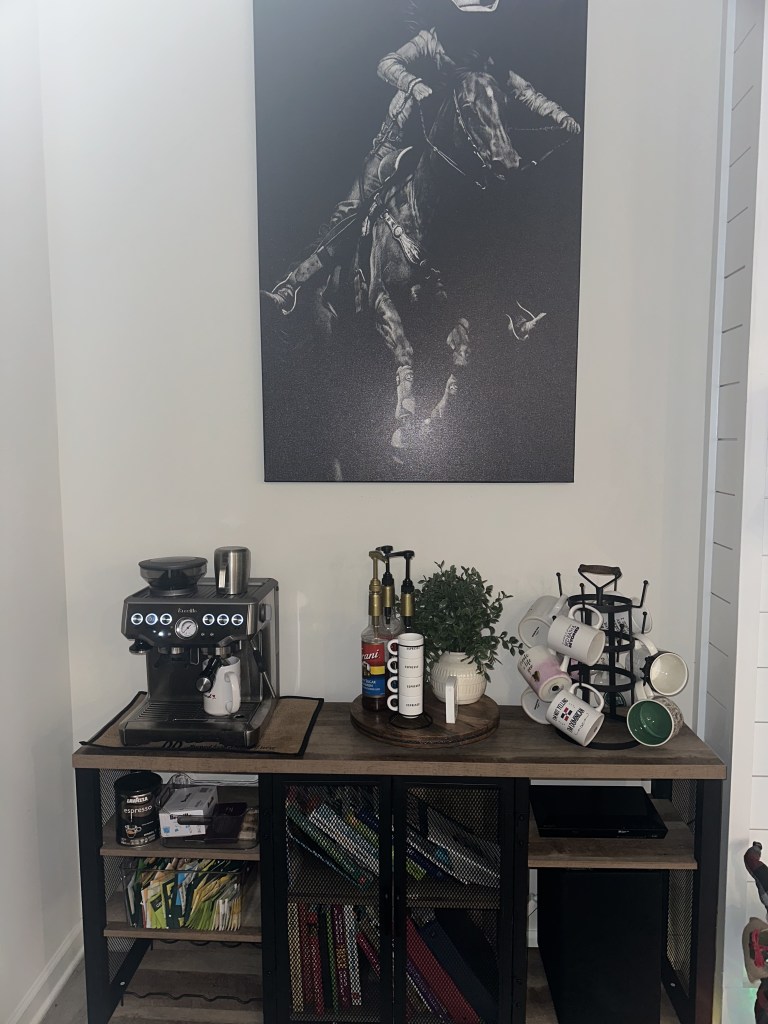
Some of my favorite design shows or shows with amazing décor featured are, “Selling Sunset”, “Queer Eye”, and décor vlogs on YouTube. They all inspire me to make that space beautiful!
Best time to buy furniture and décor
A good time to decorate, buy furniture and home décor in order to expand those creative muscles would be when many of the items are on sale. According to www.nerdwallet.com, the time to buy furniture is before the new furniture starts to hit the floors. This happens during the spring and fall months. As a result, you may find the best deals on indoor furniture during the winter and summer months. Outdoor furniture is typically on sale in between the Fourth of July and Labor Day.
Now on to some of my favorite furniture retailers they include, Wayfair, Amazon, Gallery Furniture in Houston, Value City Furniture in Charlotte just to name a few. Keep in mind, a lot of these places also carry beautiful décor. Additionally, I live for the décor at Home Goods, Target and Overstock. Did I miss any? Please feel free to comment or send me an email.
In conclusion, if you are hesitant or holding off on decorating your home, don’t be! Get started today!! Look for inspiration, styles you love and pieces that speak to you. Our homes are where we sleep, laugh, and experience various emotions. They should reflect your personality and energy. Lastly, they should be where you’re happy to come to daily.
Please check us out on social media here:
Or email at leadmetomyhome@gmail.com
Financially, Are You Ready to Buy
One of the first steps to moving forward with the home buying Process is to determine if you are financially ready to buy and maintain your property. Many of us, self included, picture what we are paying in rent and imagine that we can pay about that much in our mortgage payments. Therefore, we are ready. Unfortunately, it is not that simple.
When determining if we are ready to buy a home, we must factor in things like:
- Maintenance and repairs
- Lawn upkeep
- New furniture
- HOA fees
- Emergencies of all kinds
In addition to these items, you want to make sure that you can continue to save, invest and/or payoff debt. Buying a home should not financially cripple you. If it potentially does, you may want to reconsider purchasing a home at this time.
How do you know when your ready?
In order to determine if you are ready to purchase your palace, you should have the following items in place.
- A tried and true budget
- A comfortable savings account
- Reliable stream of income (i.e. 2 years of consistent employment)
- An additional stream of income
- Retirement and investment accounts established
These are just some of the basics to consider prior to determining whether or not you are financially prepared to buy a home.
How’s Your Credit Score?
After assessing your finances and determining that you can afford the overall expenses that come with purchasing a home, you will most certainly want to obtain your credit score. In addition to your credit score, you will want to have a good understanding of what’s included on your credit report.
As you may know, credit scores can range from 300 – 850. Generally speaking, the higher your credit score, the better your chances are for capturing the best interest rate. Prior to applying for a home you would want to get your score to its highest rate possible. According to experian.com, the minimum score to purchase a home can range from 500 – 700.
While preparing to buy a home, do what you can to increase your score. Some of the things you can do are as follows:
- Pay down credit cards to get a utilization of 30% or below.
- Continue to pay all bills on time.
- Keep your oldest accounts open.
While you consistently work to improve your credit score, we highly advise you use apps like credit karma or other credit tracking systems to see how your credit is improving. Additionally, you will want to pull your credit report from each of the three credit bureaus to ensure all reported information is correct. The three credit bureaus are:
- Experian
- Equifax
- Transunion
After reviewing your credit report for accuracies, you want to make sure to dispute any erroneous information. Each credit bureau has instructions on how inaccurate information is to be disputed.
Lastly, as you are going through the home buying process and awaiting closure of your home loan, you must make sure not open nor run your credit for any new accounts! No new accounts should be open until you sign for the home and you’re officially moved in!
Decide on the type of mortgage loan that works best for you.
There are primarily four different mortgage types. They are FHA, Conventional, VA loans and USDA loans. Each of them has their pros and cons. Depending on your situation when buying a home, one will be more suitable for you than the other. It is always in your best interest to research as much as possible prior to making your home purchase. Remember, an educated buyer is the best buyer!
Let’s start off with the definitions of each mortgage type.
- Federal Housing Administration (FHA)
- Conventional
- VA Loan
- USDA Loan
An FHA loan is a federally insured loan that is a part of HUD. This loan type offers many benefits to the lender and allows the lenders to provide advantages such as lower down payment, closing costs and credit scores.
While an FHA loan has its advantages, there are also some disadvantages. Some of those disadvantages include sellers willing to exclude FHA loans from consideration, mortgage insurance requirements and stringent appraisal requirements.
A Conventional loan is any loan that is not guaranteed by or insured by the government as the Consumer Financial Protection Bureau (CFPB) explains. It is a great option because many sellers prefer this loan and it has less stipulations once you’re approved by the bank.
Some of disadvantages for a conventional loan include having to have a stronger credit score and a larger down payment.
A Department of Veterans Affairs (VA) loan is a mortgage loan that is offered to servicemembers, veteran’s and eligible surviving spouses. This loan is partially guaranteed or insured by the VA and offered through various banks.
According to benefits.va.gov, the VA loan does not have a down payment requirement although the lender may choose to require one. Additionally, Private Mortgage Insurance (PMI), is not needed and these loan types come with limited closing costs.
The U.S. Department of Agriculture (USDA) Loan is a loan offered to individuals or families wishing to buy or build their home in rural areas. This loan type offers 33-year terms and individuals may qualify with exceptionally low income. For details more details on the USDA Loan, I encourage you to check out rd.usda.gov.
Note: Always remember to check on Grant programs for credits offered towards either the down-payment or closing costs.
-
Cater to your Bedroom!

“House Home” by Joshua Ness/ CC0 1.0 Homebuying Checklist ✔️

Catering to your bedroom is essentially caring for yourself. It involves creating a space in your home that allows for amazing and comfortable rest in order to recharge for the day. It’s basically a well-deserved investment in your space that will pay off through creating a more productive and enjoyable life.
A well catered bedroom will pay off in so many ways. It will allow for you to get better sleep which is essential for a healthy lifestyle. According to www.medicalnewstoday.com better sleep can help to prevent some diseases and aid to increase your health in many ways, including:
- Better memory
- Lower weight gain
- Better calorie regulation
- Greater athletic performance
- Lower risk of heart disease
- More emotional and social intelligence
- Preventing depression
- Lower inflammation
- Stronger immune system
Besides all of the health benefits, who doesn’t want to rest in a beautiful environment that brings them the upmost satisfaction?
Some ways to start creating your sanctuary are by getting a quality mattress to sleep on. Afterwards, investing in sheets and comforters or duvets that agree with your skin. Next, make sure that the scents in your bedroom are pleasant upon entry. Additional tips include an air diffuser and adjustable light settings as well as using blackout curtains.
These are just a few tips to get the mood set for yourself in your bedroom. Of course, everyone has their preferences however, personally, I change my scents and comforters depending on the time of year. For example, during the summer months I prefer, lighter weight comforters with the ceiling fan running on high. In the fall and winter months I prefer delicious smelling candles with Ugg comforters.
A few dream bedrooms of mine are below:



I encourage you all to go and create your oasis! Create the bedroom of your dreams! Make it your space to sleep peacefully sleep and awaken bright-eyed and bushy tailed.
Please check us out on social media here:
Or email at leadmetomyhome@gmail.com
Thanks a million for stopping by and please don’t forget to subscribe for more post like this!
Financially, Are You Ready to Buy
One of the first steps to moving forward with the home buying Process is to determine if you are financially ready to buy and maintain your property. Many of us, self included, picture what we are paying in rent and imagine that we can pay about that much in our mortgage payments. Therefore, we are ready. Unfortunately, it is not that simple.
When determining if we are ready to buy a home, we must factor in things like:
- Maintenance and repairs
- Lawn upkeep
- New furniture
- HOA fees
- Emergencies of all kinds
In addition to these items, you want to make sure that you can continue to save, invest and/or payoff debt. Buying a home should not financially cripple you. If it potentially does, you may want to reconsider purchasing a home at this time.
How do you know when your ready?
In order to determine if you are ready to purchase your palace, you should have the following items in place.
- A tried and true budget
- A comfortable savings account
- Reliable stream of income (i.e. 2 years of consistent employment)
- An additional stream of income
- Retirement and investment accounts established
These are just some of the basics to consider prior to determining whether or not you are financially prepared to buy a home.
How’s Your Credit Score?
After assessing your finances and determining that you can afford the overall expenses that come with purchasing a home, you will most certainly want to obtain your credit score. In addition to your credit score, you will want to have a good understanding of what’s included on your credit report.
As you may know, credit scores can range from 300 – 850. Generally speaking, the higher your credit score, the better your chances are for capturing the best interest rate. Prior to applying for a home you would want to get your score to its highest rate possible. According to experian.com, the minimum score to purchase a home can range from 500 – 700.
While preparing to buy a home, do what you can to increase your score. Some of the things you can do are as follows:
- Pay down credit cards to get a utilization of 30% or below.
- Continue to pay all bills on time.
- Keep your oldest accounts open.
While you consistently work to improve your credit score, we highly advise you use apps like credit karma or other credit tracking systems to see how your credit is improving. Additionally, you will want to pull your credit report from each of the three credit bureaus to ensure all reported information is correct. The three credit bureaus are:
- Experian
- Equifax
- Transunion
After reviewing your credit report for accuracies, you want to make sure to dispute any erroneous information. Each credit bureau has instructions on how inaccurate information is to be disputed.
Lastly, as you are going through the home buying process and awaiting closure of your home loan, you must make sure not open nor run your credit for any new accounts! No new accounts should be open until you sign for the home and you’re officially moved in!
Decide on the type of mortgage loan that works best for you.
There are primarily four different mortgage types. They are FHA, Conventional, VA loans and USDA loans. Each of them has their pros and cons. Depending on your situation when buying a home, one will be more suitable for you than the other. It is always in your best interest to research as much as possible prior to making your home purchase. Remember, an educated buyer is the best buyer!
Let’s start off with the definitions of each mortgage type.
- Federal Housing Administration (FHA)
- Conventional
- VA Loan
- USDA Loan
An FHA loan is a federally insured loan that is a part of HUD. This loan type offers many benefits to the lender and allows the lenders to provide advantages such as lower down payment, closing costs and credit scores.
While an FHA loan has its advantages, there are also some disadvantages. Some of those disadvantages include sellers willing to exclude FHA loans from consideration, mortgage insurance requirements and stringent appraisal requirements.
A Conventional loan is any loan that is not guaranteed by or insured by the government as the Consumer Financial Protection Bureau (CFPB) explains. It is a great option because many sellers prefer this loan and it has less stipulations once you’re approved by the bank.
Some of disadvantages for a conventional loan include having to have a stronger credit score and a larger down payment.
A Department of Veterans Affairs (VA) loan is a mortgage loan that is offered to servicemembers, veteran’s and eligible surviving spouses. This loan is partially guaranteed or insured by the VA and offered through various banks.
According to benefits.va.gov, the VA loan does not have a down payment requirement although the lender may choose to require one. Additionally, Private Mortgage Insurance (PMI), is not needed and these loan types come with limited closing costs.
The U.S. Department of Agriculture (USDA) Loan is a loan offered to individuals or families wishing to buy or build their home in rural areas. This loan type offers 33-year terms and individuals may qualify with exceptionally low income. For details more details on the USDA Loan, I encourage you to check out rd.usda.gov.
Note: Always remember to check on Grant programs for credits offered towards either the down-payment or closing costs.
-
Protect your Deed!
“House Home” by Joshua Ness/ CC0 1.0 Homebuying Checklist ✔️
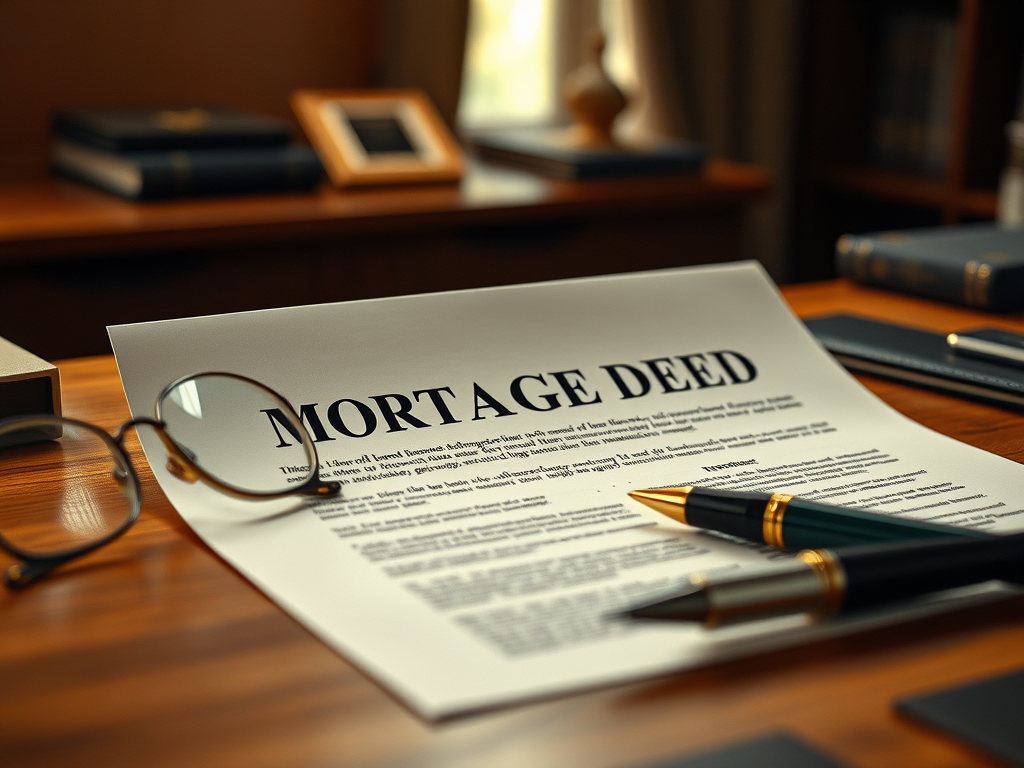
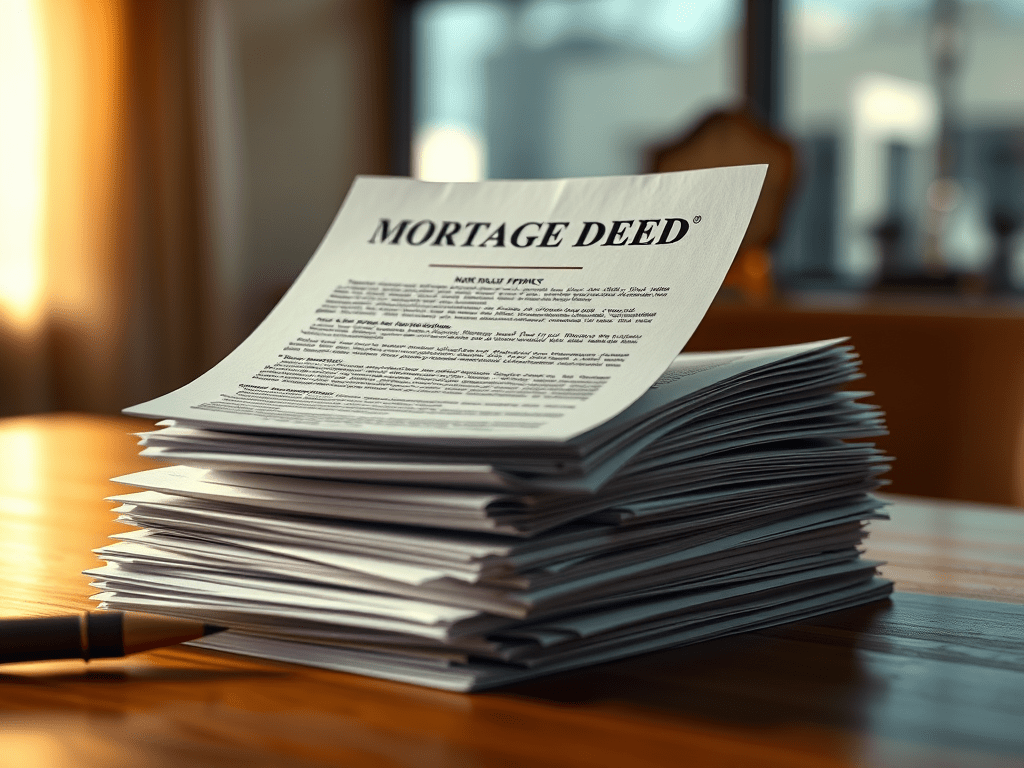
Deed fraud is on the rise! Unfortunately, more and more homeowners are becoming victims to fraudsters stealing their homes. If it’s not squatters taking their homes, it’s individuals assuming ownership of their deeds.
According to www.aura.com, deed fraud is defined as the illegal transfer and recording of a real estate title without the knowledge or consent of the legal owner. The nerve!
The way that fraudsters are transferring the deeds is simply by going into the register of deeds office with paperwork and requesting the transfer. Nothing is done to verify the validity of this transaction. As a result of the lack of controls within this process, your home is now owned by the fraudster.
A recent story as reported by ABC News gives insight into how easy someone could steal your deed. Please see the link here:
This is just one story out of many! A quick search online will demonstrate just how frequently this is occurring.
If you’d like to be proactive and try to protect yourself against these fraudsters, please check out the tips included in the video above and/or below.
Some tips to protect your deed include:
- Set up fraud alerts with the county clerks office.
- Set up fraud alerts with the register of deeds.
- Set up alerts for your home address with google.
- Hide your home from being visible online with google.
Sadly, deed fraud will continue in the foreseeable future. Although we cannot predict when or if this will happen to us; What we can do is keep ourselves educated on current trends, take preventative measures and approach law makers to ensure that they are doing their best to protect us.
Please check us out on social media here:
Or email at leadmetomyhome@gmail.com
Financially, Are You Ready to Buy
One of the first steps to moving forward with the home buying Process is to determine if you are financially ready to buy and maintain your property. Many of us, self included, picture what we are paying in rent and imagine that we can pay about that much in our mortgage payments. Therefore, we are ready. Unfortunately, it is not that simple.
When determining if we are ready to buy a home, we must factor in things like:
- Maintenance and repairs
- Lawn upkeep
- New furniture
- HOA fees
- Emergencies of all kinds
In addition to these items, you want to make sure that you can continue to save, invest and/or payoff debt. Buying a home should not financially cripple you. If it potentially does, you may want to reconsider purchasing a home at this time.
How do you know when your ready?
In order to determine if you are ready to purchase your palace, you should have the following items in place.
- A tried and true budget
- A comfortable savings account
- Reliable stream of income (i.e. 2 years of consistent employment)
- An additional stream of income
- Retirement and investment accounts established
These are just some of the basics to consider prior to determining whether or not you are financially prepared to buy a home.
How’s Your Credit Score?
After assessing your finances and determining that you can afford the overall expenses that come with purchasing a home, you will most certainly want to obtain your credit score. In addition to your credit score, you will want to have a good understanding of what’s included on your credit report.
As you may know, credit scores can range from 300 – 850. Generally speaking, the higher your credit score, the better your chances are for capturing the best interest rate. Prior to applying for a home you would want to get your score to its highest rate possible. According to experian.com, the minimum score to purchase a home can range from 500 – 700.
While preparing to buy a home, do what you can to increase your score. Some of the things you can do are as follows:
- Pay down credit cards to get a utilization of 30% or below.
- Continue to pay all bills on time.
- Keep your oldest accounts open.
While you consistently work to improve your credit score, we highly advise you use apps like credit karma or other credit tracking systems to see how your credit is improving. Additionally, you will want to pull your credit report from each of the three credit bureaus to ensure all reported information is correct. The three credit bureaus are:
- Experian
- Equifax
- Transunion
After reviewing your credit report for accuracies, you want to make sure to dispute any erroneous information. Each credit bureau has instructions on how inaccurate information is to be disputed.
Lastly, as you are going through the home buying process and awaiting closure of your home loan, you must make sure not open nor run your credit for any new accounts! No new accounts should be open until you sign for the home and you’re officially moved in!
Decide on the type of mortgage loan that works best for you.
There are primarily four different mortgage types. They are FHA, Conventional, VA loans and USDA loans. Each of them has their pros and cons. Depending on your situation when buying a home, one will be more suitable for you than the other. It is always in your best interest to research as much as possible prior to making your home purchase. Remember, an educated buyer is the best buyer!
Let’s start off with the definitions of each mortgage type.
- Federal Housing Administration (FHA)
- Conventional
- VA Loan
- USDA Loan
An FHA loan is a federally insured loan that is a part of HUD. This loan type offers many benefits to the lender and allows the lenders to provide advantages such as lower down payment, closing costs and credit scores.
While an FHA loan has its advantages, there are also some disadvantages. Some of those disadvantages include sellers willing to exclude FHA loans from consideration, mortgage insurance requirements and stringent appraisal requirements.
A Conventional loan is any loan that is not guaranteed by or insured by the government as the Consumer Financial Protection Bureau (CFPB) explains. It is a great option because many sellers prefer this loan and it has less stipulations once you’re approved by the bank.
Some of disadvantages for a conventional loan include having to have a stronger credit score and a larger down payment.
A Department of Veterans Affairs (VA) loan is a mortgage loan that is offered to servicemembers, veteran’s and eligible surviving spouses. This loan is partially guaranteed or insured by the VA and offered through various banks.
According to benefits.va.gov, the VA loan does not have a down payment requirement although the lender may choose to require one. Additionally, Private Mortgage Insurance (PMI), is not needed and these loan types come with limited closing costs.
The U.S. Department of Agriculture (USDA) Loan is a loan offered to individuals or families wishing to buy or build their home in rural areas. This loan type offers 33-year terms and individuals may qualify with exceptionally low income. For details more details on the USDA Loan, I encourage you to check out rd.usda.gov.
Note: Always remember to check on Grant programs for credits offered towards either the down-payment or closing costs.
-
Why is it necessary to change the water filter?
“House Home” by Joshua Ness/ CC0 1.0 Homebuying Checklist ✔️

As we all know, your refrigerator’s water filter was designed to remove contaminants from the water it produces. This helps to allow you to provide your family with the freshest water possible from your home.
Typically, you are to change your refrigerators water filter every six months. However, we do recommend that you check the manufacturer’s manual for what they specify to be in complete alignment with their recommendations. Although many refrigerators have a light indicator when it’s time to change the filter.
It is necessary to change the water filter to ensure it operates properly. Leaving the water filter unchanged for extended periods of time can result in unpleasant smells to your fridge and bacteria growth. These are the last things that I would want to encounter when getting a glass of water!
In order to change the filter, it is always best to review your manufacturer instructions. Otherwise, you can follow the instructions I have here for my whirlpool refrigerator:
First, put a few paper towels near the area of the water filter. Next, push to open the lever for the water filter. Afterwards, pull the old filter out. Once the old filter is out, push in the new filter. After the new filter securely in its place, close the lever. At this point, you may have some water seep out.
Once the water filter is in place, reset the change light and enjoy your new filter and fresh water.
As another tip, I recommend signing up to your manufacturer website for deals. Many refrigerator manufacturers offer deals on water filters and other items.
Please check us out on social media here:
Or email at leadmetomyhome@gmail.comFinancially, Are You Ready to Buy
One of the first steps to moving forward with the home buying Process is to determine if you are financially ready to buy and maintain your property. Many of us, self included, picture what we are paying in rent and imagine that we can pay about that much in our mortgage payments. Therefore, we are ready. Unfortunately, it is not that simple.
When determining if we are ready to buy a home, we must factor in things like:
- Maintenance and repairs
- Lawn upkeep
- New furniture
- HOA fees
- Emergencies of all kinds
In addition to these items, you want to make sure that you can continue to save, invest and/or payoff debt. Buying a home should not financially cripple you. If it potentially does, you may want to reconsider purchasing a home at this time.
How do you know when your ready?
In order to determine if you are ready to purchase your palace, you should have the following items in place.
- A tried and true budget
- A comfortable savings account
- Reliable stream of income (i.e. 2 years of consistent employment)
- An additional stream of income
- Retirement and investment accounts established
These are just some of the basics to consider prior to determining whether or not you are financially prepared to buy a home.
How’s Your Credit Score?
After assessing your finances and determining that you can afford the overall expenses that come with purchasing a home, you will most certainly want to obtain your credit score. In addition to your credit score, you will want to have a good understanding of what’s included on your credit report.
As you may know, credit scores can range from 300 – 850. Generally speaking, the higher your credit score, the better your chances are for capturing the best interest rate. Prior to applying for a home you would want to get your score to its highest rate possible. According to experian.com, the minimum score to purchase a home can range from 500 – 700.
While preparing to buy a home, do what you can to increase your score. Some of the things you can do are as follows:
- Pay down credit cards to get a utilization of 30% or below.
- Continue to pay all bills on time.
- Keep your oldest accounts open.
While you consistently work to improve your credit score, we highly advise you use apps like credit karma or other credit tracking systems to see how your credit is improving. Additionally, you will want to pull your credit report from each of the three credit bureaus to ensure all reported information is correct. The three credit bureaus are:
- Experian
- Equifax
- Transunion
After reviewing your credit report for accuracies, you want to make sure to dispute any erroneous information. Each credit bureau has instructions on how inaccurate information is to be disputed.
Lastly, as you are going through the home buying process and awaiting closure of your home loan, you must make sure not open nor run your credit for any new accounts! No new accounts should be open until you sign for the home and you’re officially moved in!
Decide on the type of mortgage loan that works best for you.
There are primarily four different mortgage types. They are FHA, Conventional, VA loans and USDA loans. Each of them has their pros and cons. Depending on your situation when buying a home, one will be more suitable for you than the other. It is always in your best interest to research as much as possible prior to making your home purchase. Remember, an educated buyer is the best buyer!
Let’s start off with the definitions of each mortgage type.
- Federal Housing Administration (FHA)
- Conventional
- VA Loan
- USDA Loan
An FHA loan is a federally insured loan that is a part of HUD. This loan type offers many benefits to the lender and allows the lenders to provide advantages such as lower down payment, closing costs and credit scores.
While an FHA loan has its advantages, there are also some disadvantages. Some of those disadvantages include sellers willing to exclude FHA loans from consideration, mortgage insurance requirements and stringent appraisal requirements.
A Conventional loan is any loan that is not guaranteed by or insured by the government as the Consumer Financial Protection Bureau (CFPB) explains. It is a great option because many sellers prefer this loan and it has less stipulations once you’re approved by the bank.
Some of disadvantages for a conventional loan include having to have a stronger credit score and a larger down payment.
A Department of Veterans Affairs (VA) loan is a mortgage loan that is offered to servicemembers, veteran’s and eligible surviving spouses. This loan is partially guaranteed or insured by the VA and offered through various banks.
According to benefits.va.gov, the VA loan does not have a down payment requirement although the lender may choose to require one. Additionally, Private Mortgage Insurance (PMI), is not needed and these loan types come with limited closing costs.
The U.S. Department of Agriculture (USDA) Loan is a loan offered to individuals or families wishing to buy or build their home in rural areas. This loan type offers 33-year terms and individuals may qualify with exceptionally low income. For details more details on the USDA Loan, I encourage you to check out rd.usda.gov.
Note: Always remember to check on Grant programs for credits offered towards either the down-payment or closing costs.
-
Am I ready to buy a home?
“House Home” by Joshua Ness/ CC0 1.0 Homebuying Checklist ✔️
So, you have saved a down payment, checked your credit, researched neighborhoods and now you’re ready to buy your first home! What an exciting moment! Besides, you are tired of renting and you’re ready to build equity.

Photo by Chinmay Singh on Pexels.com But wait!! Before you dial your realtor’s number, I want to provide you with a few tips just to really make certain that you are ready to buy. Besides, this may be the most expensive purchase that you will make in your lifetime.
As you probably already know, purchasing a home comes with additional costs that some do not account for prior to buying. Some of those costs include HOA fees, maintenance, new lawn equipment, pest control, new furniture, property taxes, homeowners insurance and potentially private mortgage insurance. Not to mention, many of these costs vary year to year and can most certainly increase! USA Insurance News for Professionals | Insurance Business America (insurancebusinessmag.com) reports that homeowner’s insurance has increased on average 20 % percent between the years 2021-2023!
I am not mentioning these hidden costs to scare you. Nonetheless, I am mentioning them to prepare you. I find that the best and happiest homeowner is a prepared homeowner.
Typically, you should move ahead with purchasing a home when you meet the following criteria:
- You are certain that you’re going to live in the home for a while, ideally 10 years or more.
- You have at least a 20% down payment to avoid Private Mortgage Insurance (PMI). If it’s too hard to save the 20% down payment, for your dream home, I would advise you to purchase a home with a price more feasible for you to save for the 20% down payment.
- You have either an emergency fund, line of credit or other means of paying for necessary home repairs.
- You have a stable job with additional streams of income.
- You have reserves in the bank after making the purchase.
These are just some of my tips/recommendations to prepare you for buying a home under the best circumstances. Of course, you could proceed with a lesser down payment or with plans to move in 8 years versus 10. However, what I am recommending here is what I find to be the most beneficial.
If you are ready to purchase and want to make certain that you have covered everything, please feel free to check out my checklist here https://leadmetomyhome.com/2024/09/07/homebuying-checklist-2/.
Lastly, once you have purchased your home and you feel comfortable, I advise that you work to pay it off as early as possible. Just imagine, not having a monthly payment and living within that financial freedom. It can be done. A little extra each month will get you there.
Please check us out on social media here:
Or email at leadmetomyhome@gmail.com
Financially, Are You Ready to Buy
One of the first steps to moving forward with the home buying Process is to determine if you are financially ready to buy and maintain your property. Many of us, self included, picture what we are paying in rent and imagine that we can pay about that much in our mortgage payments. Therefore, we are ready. Unfortunately, it is not that simple.
When determining if we are ready to buy a home, we must factor in things like:
- Maintenance and repairs
- Lawn upkeep
- New furniture
- HOA fees
- Emergencies of all kinds
In addition to these items, you want to make sure that you can continue to save, invest and/or payoff debt. Buying a home should not financially cripple you. If it potentially does, you may want to reconsider purchasing a home at this time.
How do you know when your ready?
In order to determine if you are ready to purchase your palace, you should have the following items in place.
- A tried and true budget
- A comfortable savings account
- Reliable stream of income (i.e. 2 years of consistent employment)
- An additional stream of income
- Retirement and investment accounts established
These are just some of the basics to consider prior to determining whether or not you are financially prepared to buy a home.
How’s Your Credit Score?
After assessing your finances and determining that you can afford the overall expenses that come with purchasing a home, you will most certainly want to obtain your credit score. In addition to your credit score, you will want to have a good understanding of what’s included on your credit report.
As you may know, credit scores can range from 300 – 850. Generally speaking, the higher your credit score, the better your chances are for capturing the best interest rate. Prior to applying for a home you would want to get your score to its highest rate possible. According to experian.com, the minimum score to purchase a home can range from 500 – 700.
While preparing to buy a home, do what you can to increase your score. Some of the things you can do are as follows:
- Pay down credit cards to get a utilization of 30% or below.
- Continue to pay all bills on time.
- Keep your oldest accounts open.
While you consistently work to improve your credit score, we highly advise you use apps like credit karma or other credit tracking systems to see how your credit is improving. Additionally, you will want to pull your credit report from each of the three credit bureaus to ensure all reported information is correct. The three credit bureaus are:
- Experian
- Equifax
- Transunion
After reviewing your credit report for accuracies, you want to make sure to dispute any erroneous information. Each credit bureau has instructions on how inaccurate information is to be disputed.
Lastly, as you are going through the home buying process and awaiting closure of your home loan, you must make sure not open nor run your credit for any new accounts! No new accounts should be open until you sign for the home and you’re officially moved in!
Decide on the type of mortgage loan that works best for you.
There are primarily four different mortgage types. They are FHA, Conventional, VA loans and USDA loans. Each of them has their pros and cons. Depending on your situation when buying a home, one will be more suitable for you than the other. It is always in your best interest to research as much as possible prior to making your home purchase. Remember, an educated buyer is the best buyer!
Let’s start off with the definitions of each mortgage type.
- Federal Housing Administration (FHA)
- Conventional
- VA Loan
- USDA Loan
An FHA loan is a federally insured loan that is a part of HUD. This loan type offers many benefits to the lender and allows the lenders to provide advantages such as lower down payment, closing costs and credit scores.
While an FHA loan has its advantages, there are also some disadvantages. Some of those disadvantages include sellers willing to exclude FHA loans from consideration, mortgage insurance requirements and stringent appraisal requirements.
A Conventional loan is any loan that is not guaranteed by or insured by the government as the Consumer Financial Protection Bureau (CFPB) explains. It is a great option because many sellers prefer this loan and it has less stipulations once you’re approved by the bank.
Some of disadvantages for a conventional loan include having to have a stronger credit score and a larger down payment.
A Department of Veterans Affairs (VA) loan is a mortgage loan that is offered to servicemembers, veteran’s and eligible surviving spouses. This loan is partially guaranteed or insured by the VA and offered through various banks.
According to benefits.va.gov, the VA loan does not have a down payment requirement although the lender may choose to require one. Additionally, Private Mortgage Insurance (PMI), is not needed and these loan types come with limited closing costs.
The U.S. Department of Agriculture (USDA) Loan is a loan offered to individuals or families wishing to buy or build their home in rural areas. This loan type offers 33-year terms and individuals may qualify with exceptionally low income. For details more details on the USDA Loan, I encourage you to check out rd.usda.gov.
Note: Always remember to check on Grant programs for credits offered towards either the down-payment or closing costs.
-
Homebuying Checklist
“House Home” by Joshua Ness/ CC0 1.0 Homebuying Checklist ✔️
Financially, Are You Ready to Buy
One of the first steps to moving forward with the home buying Process is to determine if you are financially ready to buy and maintain your property. Many of us, self included, picture what we are paying in rent and imagine that we can pay about that much in our mortgage payments. Therefore, we are ready. Unfortunately, it is not that simple.
When determining if we are ready to buy a home, we must factor in things like:
- Maintenance and repairs
- Lawn upkeep
- New furniture
- HOA fees
- Emergencies of all kinds
In addition to these items, you want to make sure that you can continue to save, invest and/or payoff debt. Buying a home should not financially cripple you. If it potentially does, you may want to reconsider purchasing a home at this time.
How do you know when your ready?
In order to determine if you are ready to purchase your palace, you should have the following items in place.
- A tried and true budget
- A comfortable savings account
- Reliable stream of income (i.e. 2 years of consistent employment)
- An additional stream of income
- Retirement and investment accounts established
These are just some of the basics to consider prior to determining whether or not you are financially prepared to buy a home.
How’s Your Credit Score?
After assessing your finances and determining that you can afford the overall expenses that come with purchasing a home, you will most certainly want to obtain your credit score. In addition to your credit score, you will want to have a good understanding of what’s included on your credit report.
As you may know, credit scores can range from 300 – 850. Generally speaking, the higher your credit score, the better your chances are for capturing the best interest rate. Prior to applying for a home you would want to get your score to its highest rate possible. According to experian.com, the minimum score to purchase a home can range from 500 – 700.
While preparing to buy a home, do what you can to increase your score. Some of the things you can do are as follows:
- Pay down credit cards to get a utilization of 30% or below.
- Continue to pay all bills on time.
- Keep your oldest accounts open.
While you consistently work to improve your credit score, we highly advise you use apps like credit karma or other credit tracking systems to see how your credit is improving. Additionally, you will want to pull your credit report from each of the three credit bureaus to ensure all reported information is correct. The three credit bureaus are:
- Experian
- Equifax
- Transunion
After reviewing your credit report for accuracies, you want to make sure to dispute any erroneous information. Each credit bureau has instructions on how inaccurate information is to be disputed.
Lastly, as you are going through the home buying process and awaiting closure of your home loan, you must make sure not open nor run your credit for any new accounts! No new accounts should be open until you sign for the home and you’re officially moved in!
Decide on the type of mortgage loan that works best for you.
There are primarily four different mortgage types. They are FHA, Conventional, VA loans and USDA loans. Each of them has their pros and cons. Depending on your situation when buying a home, one will be more suitable for you than the other. It is always in your best interest to research as much as possible prior to making your home purchase. Remember, an educated buyer is the best buyer!
Let’s start off with the definitions of each mortgage type.
- Federal Housing Administration (FHA)
- Conventional
- VA Loan
- USDA Loan
An FHA loan is a federally insured loan that is a part of HUD. This loan type offers many benefits to the lender and allows the lenders to provide advantages such as lower down payment, closing costs and credit scores.
While an FHA loan has its advantages, there are also some disadvantages. Some of those disadvantages include sellers willing to exclude FHA loans from consideration, mortgage insurance requirements and stringent appraisal requirements.
A Conventional loan is any loan that is not guaranteed by or insured by the government as the Consumer Financial Protection Bureau (CFPB) explains. It is a great option because many sellers prefer this loan and it has less stipulations once you’re approved by the bank.
Some of disadvantages for a conventional loan include having to have a stronger credit score and a larger down payment.
A Department of Veterans Affairs (VA) loan is a mortgage loan that is offered to servicemembers, veteran’s and eligible surviving spouses. This loan is partially guaranteed or insured by the VA and offered through various banks.
According to benefits.va.gov, the VA loan does not have a down payment requirement although the lender may choose to require one. Additionally, Private Mortgage Insurance (PMI), is not needed and these loan types come with limited closing costs.
The U.S. Department of Agriculture (USDA) Loan is a loan offered to individuals or families wishing to buy or build their home in rural areas. This loan type offers 33-year terms and individuals may qualify with exceptionally low income. For details more details on the USDA Loan, I encourage you to check out rd.usda.gov.
Note: Always remember to check on Grant programs for credits offered towards either the down-payment or closing costs.
-
Refrigerator Preventive Maintenance
“House Home” by Joshua Ness/ CC0 1.0 Homebuying Checklist ✔️

In order to ensure that your refrigerator has the best chances of operating properly and longer, we recommend that you implement a preventative …
Refrigerator Preventive MaintenanceFinancially, Are You Ready to Buy
One of the first steps to moving forward with the home buying Process is to determine if you are financially ready to buy and maintain your property. Many of us, self included, picture what we are paying in rent and imagine that we can pay about that much in our mortgage payments. Therefore, we are ready. Unfortunately, it is not that simple.
When determining if we are ready to buy a home, we must factor in things like:
- Maintenance and repairs
- Lawn upkeep
- New furniture
- HOA fees
- Emergencies of all kinds
In addition to these items, you want to make sure that you can continue to save, invest and/or payoff debt. Buying a home should not financially cripple you. If it potentially does, you may want to reconsider purchasing a home at this time.
How do you know when your ready?
In order to determine if you are ready to purchase your palace, you should have the following items in place.
- A tried and true budget
- A comfortable savings account
- Reliable stream of income (i.e. 2 years of consistent employment)
- An additional stream of income
- Retirement and investment accounts established
These are just some of the basics to consider prior to determining whether or not you are financially prepared to buy a home.
How’s Your Credit Score?
After assessing your finances and determining that you can afford the overall expenses that come with purchasing a home, you will most certainly want to obtain your credit score. In addition to your credit score, you will want to have a good understanding of what’s included on your credit report.
As you may know, credit scores can range from 300 – 850. Generally speaking, the higher your credit score, the better your chances are for capturing the best interest rate. Prior to applying for a home you would want to get your score to its highest rate possible. According to experian.com, the minimum score to purchase a home can range from 500 – 700.
While preparing to buy a home, do what you can to increase your score. Some of the things you can do are as follows:
- Pay down credit cards to get a utilization of 30% or below.
- Continue to pay all bills on time.
- Keep your oldest accounts open.
While you consistently work to improve your credit score, we highly advise you use apps like credit karma or other credit tracking systems to see how your credit is improving. Additionally, you will want to pull your credit report from each of the three credit bureaus to ensure all reported information is correct. The three credit bureaus are:
- Experian
- Equifax
- Transunion
After reviewing your credit report for accuracies, you want to make sure to dispute any erroneous information. Each credit bureau has instructions on how inaccurate information is to be disputed.
Lastly, as you are going through the home buying process and awaiting closure of your home loan, you must make sure not open nor run your credit for any new accounts! No new accounts should be open until you sign for the home and you’re officially moved in!
Decide on the type of mortgage loan that works best for you.
There are primarily four different mortgage types. They are FHA, Conventional, VA loans and USDA loans. Each of them has their pros and cons. Depending on your situation when buying a home, one will be more suitable for you than the other. It is always in your best interest to research as much as possible prior to making your home purchase. Remember, an educated buyer is the best buyer!
Let’s start off with the definitions of each mortgage type.
- Federal Housing Administration (FHA)
- Conventional
- VA Loan
- USDA Loan
An FHA loan is a federally insured loan that is a part of HUD. This loan type offers many benefits to the lender and allows the lenders to provide advantages such as lower down payment, closing costs and credit scores.
While an FHA loan has its advantages, there are also some disadvantages. Some of those disadvantages include sellers willing to exclude FHA loans from consideration, mortgage insurance requirements and stringent appraisal requirements.
A Conventional loan is any loan that is not guaranteed by or insured by the government as the Consumer Financial Protection Bureau (CFPB) explains. It is a great option because many sellers prefer this loan and it has less stipulations once you’re approved by the bank.
Some of disadvantages for a conventional loan include having to have a stronger credit score and a larger down payment.
A Department of Veterans Affairs (VA) loan is a mortgage loan that is offered to servicemembers, veteran’s and eligible surviving spouses. This loan is partially guaranteed or insured by the VA and offered through various banks.
According to benefits.va.gov, the VA loan does not have a down payment requirement although the lender may choose to require one. Additionally, Private Mortgage Insurance (PMI), is not needed and these loan types come with limited closing costs.
The U.S. Department of Agriculture (USDA) Loan is a loan offered to individuals or families wishing to buy or build their home in rural areas. This loan type offers 33-year terms and individuals may qualify with exceptionally low income. For details more details on the USDA Loan, I encourage you to check out rd.usda.gov.
Note: Always remember to check on Grant programs for credits offered towards either the down-payment or closing costs.
-
Refrigerator Preventive Maintenance
“House Home” by Joshua Ness/ CC0 1.0 Homebuying Checklist ✔️

Photo by Alex Qian on Pexels.com In order to ensure that your refrigerator has the best chances of operating properly and longer, we recommend that you implement a preventative maintenance routine. According to Energy Saver, the U.S. Department of Energy’s consumer resource, the average refrigerator lasts 12 years. Both the type of refrigerator you purchase and how you maintain the refrigerator are determining factors in how long it will last. When the costs of everything are rising, why not perform preventative maintenance to keep your appliances around a little longer?
Monthly Cleaning
The first thing we recommend is, on a monthly basis, clean inside the refrigerator, remove trays, throw away old food and thoroughly clean the walls. As an extra measure, don’t forget to move the refrigerator and clean under it.
The reason that you want to maintain a clean refrigerator is because food is in and out of there and you want to make sure to get up anything that may have spilled. Plus cleaning the interior provides you with the opportunity to spot some food that may be old and catch any type of mold that may be growing in areas crucial to the operation of your fridge.
As far as cleaning behind and beneath the fridge, this just helps to maintain a thoroughly clean home and would be a good time for you to check out the fridge for anything that looks strange like leaking, or even dust on coils.
Water Filter
Another preventative measure we recommend that you take is to change your water filter every six months. As you know, keeping an up-to-date water filter will help to keep your water free from contaminants. I personally set up an automatic shipping system for my water filter so that I am always on track.
Clean Coils
Every six months, we recommend that you also clean the coils. The coils of the refrigerator help to keep out heat. They basically help to control the temperature.
You can clean the coils by wiping them with a soft brush. But please make sure to unplug the refrigerator before you clean the coils. Always check your refrigerator manual if ever in doubt.
Level the Refrigerator
Annually, make sure the fridge is leveled. This will help to control cooling, ensure your doors close properly and prevent your fridge from vibrating unnecessarily.
Leveling your fridge may be a two-person activity. Make sure you have sufficient help and check the manual of your fridge to guarantee that you are appropriately leveling your particular model.
Clean Water Dispenser
Clean water dispenser nozzle every six months. Although your refrigerator may have a water filter, it’s still possible that your water dispenser will have mineral buildup. You know, it was once clear and beautiful. Now, the water dispenser is gray and sad looking.
To clean the water dispenser nozzle, first you want to soak a paper towel in vinegar. Then, take the vinegar-soaked paper towel and wrap it around the dispenser nozzle. Leave it for a few hours. Afterwards, wipe away all the mineral buildup with a towel. The nozzle should be clear at this point. If not, feel free to try it again and leave the vinegar-soaked paper towel on the nozzle for a few more hours. Once you’re done with the paper towel, clean any additional residue with a cotton swab. Finally, wipe it all down with a clean, moist cloth.
Issues to look out for:
Food spoiling earlier than expected or than expiration dates state. This may indicate that the refrigerator isn’t keeping its temperature.
Check door seals to make sure cool air is staying inside. If air is seeping out, the fridge has to work harder to maintain temperatures. Try using a dollar bill to see if you can easily pull it out. If you can pull it out, the seals may need to be replaced. It is also a good time to clean the seals with baking soda and water.
If you’d like specific suggestions for your model of refrigerator, I highly recommend that you check your owner’s manual. Older refrigerators vs newer models will have different suggestions on the way to service your refrigerator. Remember, the more that we take care of our appliances, the more likely they are going to last a long time.Please check us out on Instagram:
Financially, Are You Ready to Buy
One of the first steps to moving forward with the home buying Process is to determine if you are financially ready to buy and maintain your property. Many of us, self included, picture what we are paying in rent and imagine that we can pay about that much in our mortgage payments. Therefore, we are ready. Unfortunately, it is not that simple.
When determining if we are ready to buy a home, we must factor in things like:
- Maintenance and repairs
- Lawn upkeep
- New furniture
- HOA fees
- Emergencies of all kinds
In addition to these items, you want to make sure that you can continue to save, invest and/or payoff debt. Buying a home should not financially cripple you. If it potentially does, you may want to reconsider purchasing a home at this time.
How do you know when your ready?
In order to determine if you are ready to purchase your palace, you should have the following items in place.
- A tried and true budget
- A comfortable savings account
- Reliable stream of income (i.e. 2 years of consistent employment)
- An additional stream of income
- Retirement and investment accounts established
These are just some of the basics to consider prior to determining whether or not you are financially prepared to buy a home.
How’s Your Credit Score?
After assessing your finances and determining that you can afford the overall expenses that come with purchasing a home, you will most certainly want to obtain your credit score. In addition to your credit score, you will want to have a good understanding of what’s included on your credit report.
As you may know, credit scores can range from 300 – 850. Generally speaking, the higher your credit score, the better your chances are for capturing the best interest rate. Prior to applying for a home you would want to get your score to its highest rate possible. According to experian.com, the minimum score to purchase a home can range from 500 – 700.
While preparing to buy a home, do what you can to increase your score. Some of the things you can do are as follows:
- Pay down credit cards to get a utilization of 30% or below.
- Continue to pay all bills on time.
- Keep your oldest accounts open.
While you consistently work to improve your credit score, we highly advise you use apps like credit karma or other credit tracking systems to see how your credit is improving. Additionally, you will want to pull your credit report from each of the three credit bureaus to ensure all reported information is correct. The three credit bureaus are:
- Experian
- Equifax
- Transunion
After reviewing your credit report for accuracies, you want to make sure to dispute any erroneous information. Each credit bureau has instructions on how inaccurate information is to be disputed.
Lastly, as you are going through the home buying process and awaiting closure of your home loan, you must make sure not open nor run your credit for any new accounts! No new accounts should be open until you sign for the home and you’re officially moved in!
Decide on the type of mortgage loan that works best for you.
There are primarily four different mortgage types. They are FHA, Conventional, VA loans and USDA loans. Each of them has their pros and cons. Depending on your situation when buying a home, one will be more suitable for you than the other. It is always in your best interest to research as much as possible prior to making your home purchase. Remember, an educated buyer is the best buyer!
Let’s start off with the definitions of each mortgage type.
- Federal Housing Administration (FHA)
- Conventional
- VA Loan
- USDA Loan
An FHA loan is a federally insured loan that is a part of HUD. This loan type offers many benefits to the lender and allows the lenders to provide advantages such as lower down payment, closing costs and credit scores.
While an FHA loan has its advantages, there are also some disadvantages. Some of those disadvantages include sellers willing to exclude FHA loans from consideration, mortgage insurance requirements and stringent appraisal requirements.
A Conventional loan is any loan that is not guaranteed by or insured by the government as the Consumer Financial Protection Bureau (CFPB) explains. It is a great option because many sellers prefer this loan and it has less stipulations once you’re approved by the bank.
Some of disadvantages for a conventional loan include having to have a stronger credit score and a larger down payment.
A Department of Veterans Affairs (VA) loan is a mortgage loan that is offered to servicemembers, veteran’s and eligible surviving spouses. This loan is partially guaranteed or insured by the VA and offered through various banks.
According to benefits.va.gov, the VA loan does not have a down payment requirement although the lender may choose to require one. Additionally, Private Mortgage Insurance (PMI), is not needed and these loan types come with limited closing costs.
The U.S. Department of Agriculture (USDA) Loan is a loan offered to individuals or families wishing to buy or build their home in rural areas. This loan type offers 33-year terms and individuals may qualify with exceptionally low income. For details more details on the USDA Loan, I encourage you to check out rd.usda.gov.
Note: Always remember to check on Grant programs for credits offered towards either the down-payment or closing costs.
Home

 Lead Me to my home